BUNKER SANDS
Our quarry in Wareham, Masters produces three grades of light-shaded bunker sands, each suited to different course requirements and playing conditions. These sands provide an attractive colour and excellent playability, adding good traction underfoot for the golfer while maintaining a firm, consistent lie for the ball. Their balance of drainage and moisture retention resists compaction and washouts, keeping bunkers playable in all weather.
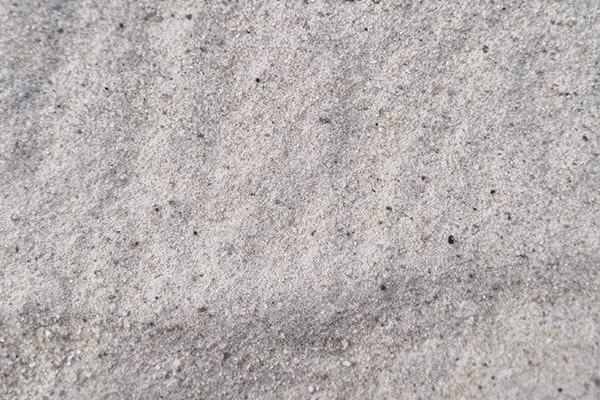
Wareham Light Fine Bunker Sand
(0-1mm)
A moist, light in colour, fine sand with a high pH and very low clay and silt content. This sand provides excellent drainage and is suitable for golf and sporting applications.
- Fine particle size (0–1mm) creates a smooth, tightly compacted surface.
- Excellent drainage due to low fines (clay and silt content).
- High pH is compatible with turf surrounds and reduces nutrient lockout.
- Light colour enhances visual contrast and clean appearance.
Recommended for:
- Flat or low-lying bunkers that require tight compaction and moisture retention.
- Shaded areas where drying is slow and drainage is critical.
- Courses prioritising clean aesthetics and reduced sand splash.
Avoid in:
- Exposed coastal sites prone to wind-blow; finer sand can migrate easily.
- Sloped bunkers, where fine texture may lead to wash-down during heavy rain.
Maintenance tips:
- Light decompaction may be required to prevent surface sealing.
- Regular grooming helps prevent crusting in wet seasons.
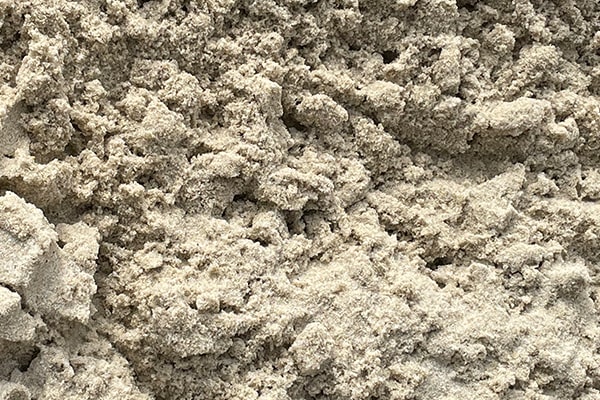
Wareham Light Medium Bunker Sand
(0-2mm)
A moist, light in colour, medium sand with high pH and low clay and silt content. Offers excellent infiltration rates and is ideal for golf bunkers and other sporting surfaces.
- Balanced particle size (0–2mm) offers good compaction and playability.
- Drains well while maintaining surface stability under foot.
- Low fines content reduces risk of clogging drainage systems.
- Light colour is suitable for modern course designs and easy contamination spotting.
Recommended for:
- Most inland and parkland courses with standard drainage.
- Moderately sloped bunkers requiring both drainage and some binding.
- Green-side bunkers where balance of playability and firmness is key.
Avoid in:
- Very steep bunkers unless stabilised or lined.
- Deep pot bunkers needing coarser texture for resistance to movement.
Maintenance tips:
- Routine mechanical raking preserves surface consistency.
- Match top-up sand exactly to avoid layering and performance inconsistencies.
- Loose (5 tonnes to 29 tonnes)
- Bulk bags

Wareham Light Coarse Bunker Sand
(0-4mm)
A moist, light-coloured, coarse sand with high pH and very low clay and silt content. Provides excellent infiltration and structural stability.
- Coarse texture (0–4mm) offers maximum drainage and structural integrity.
- Ideal for resisting movement on steep faces and sloped bunkers.
- Reduced risk of compaction and surface sealing.
- Light colour provides aesthetic consistency and easy maintenance checks.
Recommended for:
- Steep-faced bunkers and revetted edges that require structural support.
- Coastal and high-rainfall sites needing rapid drainage and erosion resistance.
- Exposed or wind-prone areas where heavier sand resists blow-off.
Avoid in:
- Flat bunkers where coarse texture may cause ball bounce or inconsistent lies.
- Shaded, low-drainage zones where retention of fine moisture is needed.
Maintenance tips:
- Minimal compaction needed; surface raking maintains consistent playability.
- Check for contamination from debris, which is more visible on coarse light sands.
- Loose (5 tonnes to 29 tonnes)
- Bulk bags

Hurn Medium Bunker Sand
(0-2mm)
A moist, light in colour, sub-angular medium-coarse sand with a high pH and low clay and silt content. Provides good drainage and compacts well. Suitable for golf bunkers and all sporting applications.
- Medium-coarse particle size (0–2mm) provides a strong balance between drainage and compaction.
- Sub-angular grains lock together for a stable surface that resists shifting and washouts.
- High pH supports turf compatibility and limits acidic interference with rootzones near bunker edges.
- Low clay/silt content enhances infiltration and reduces risk of crusting.
- Light colour delivers clean visual contrast and high presentation value.
Recommended for:
- Green-side and fairway bunkers on inland or semi-exposed courses.
- Bunkers with moderate slopes that require a stable, well-drained base.
- Courses aiming for consistency between aesthetics and performance across multiple bunker locations.
Avoid in:
- Deep revetted or pot bunkers needing coarser particles for structural resistance.
- Sites with very low play where natural compaction may make sand overly firm without traffic.
Maintenance tips:
- Use mechanical rakes to aerate and prevent excessive firmness, especially in high-traffic zones.
- Maintain consistent depth (typically 75–100 mm) to reduce risk of ball plugging and ensure player safety.
- Loose (5 tonnes to 29 tonnes)
- Bulk bags
WORKING WITH US